
Dental implants provide a long-term way to replace missing teeth and restore important aspects of your smile, including chewing function, stability, and appearance. Unlike removable replacement options, an implant is designed to provide support for a dental restoration by integrating with the jawbone.
Replacing a missing tooth involves more than simply filling an empty space. The condition of your gums, jawbone, surrounding teeth, bite, and overall oral health can all influence the treatment plan.
Your dental implant consultation gives you an opportunity to discuss your concerns, understand the available options, and learn what may be involved before treatment begins. Your dentist can also determine whether additional dental care may be needed before moving forward.
The goal is to create a treatment plan that supports both function and a natural-looking result.
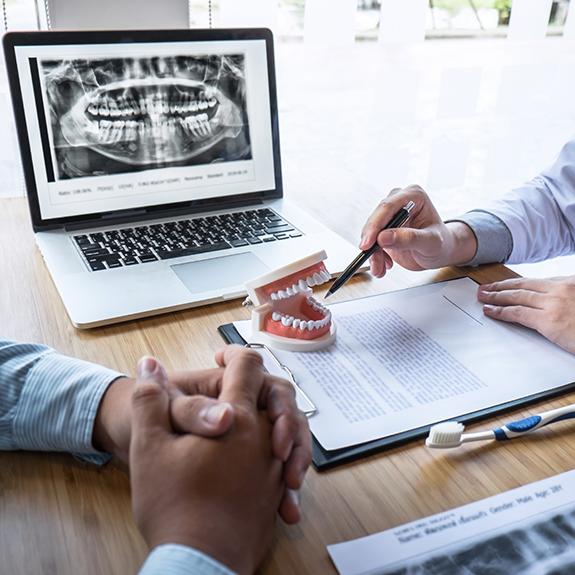
Dental implant treatment can be adapted to different situations, from replacing one missing tooth to restoring several missing teeth.
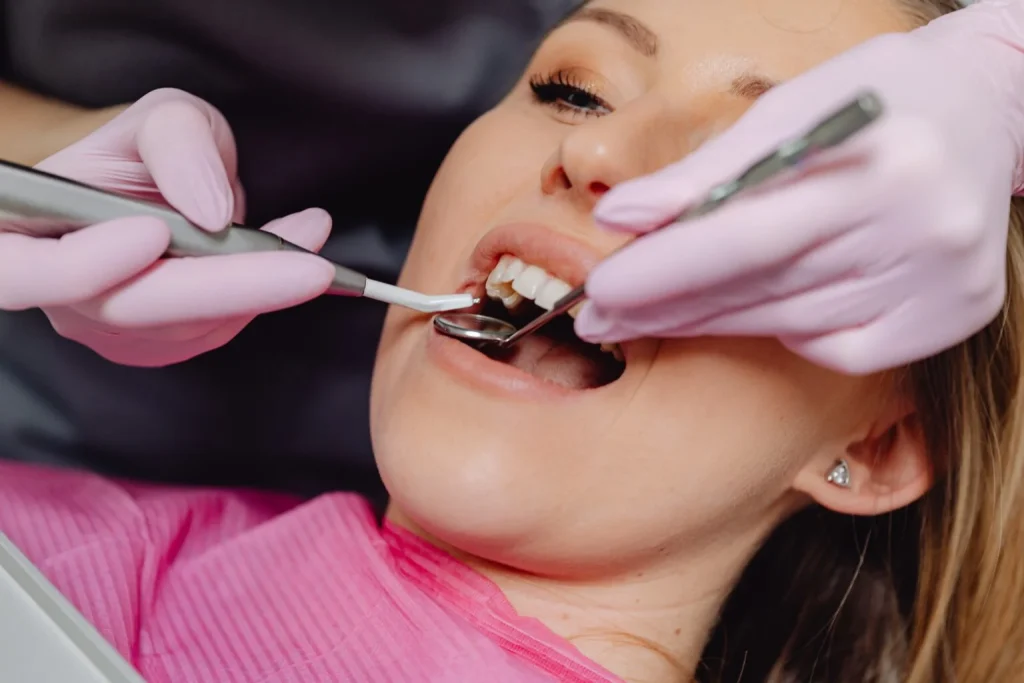
The first step is understanding your oral health and the reason you are considering implant treatment. During a consultation, your dentist can examine your teeth and gums, evaluate the area where a tooth is missing, and discuss your treatment goals.
Depending on your situation, diagnostic imaging may be used to assess the jawbone and surrounding structures. Your dentist can then explain suitable options, expected treatment stages, and factors that may affect your care.
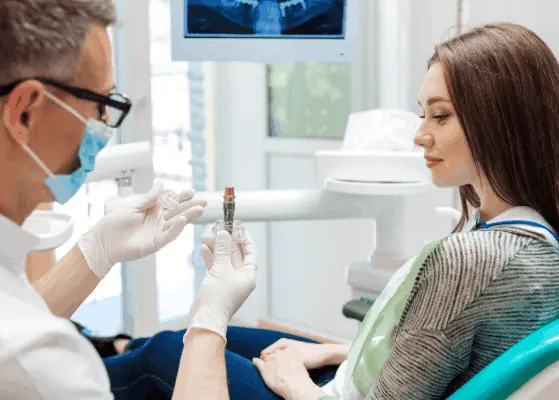
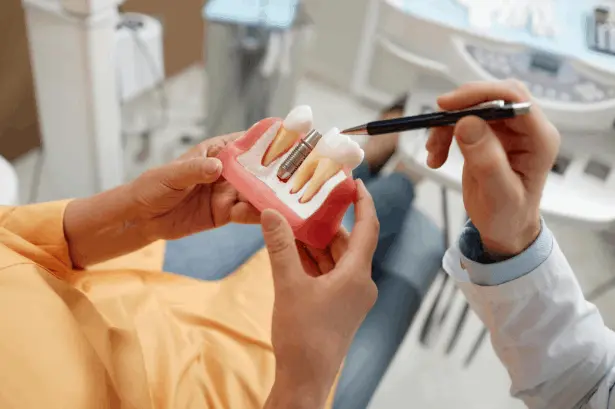
Understanding the treatment process can make it easier to make an informed decision. Your dentist can explain how dental implants work, what the treatment involves, how the restoration is supported, and what you can expect during recovery.
You can also discuss questions about healing, oral hygiene, maintenance, and the expected function and appearance of your replacement tooth or teeth.
Good patient education helps you understand your responsibilities before, during, and after treatment.
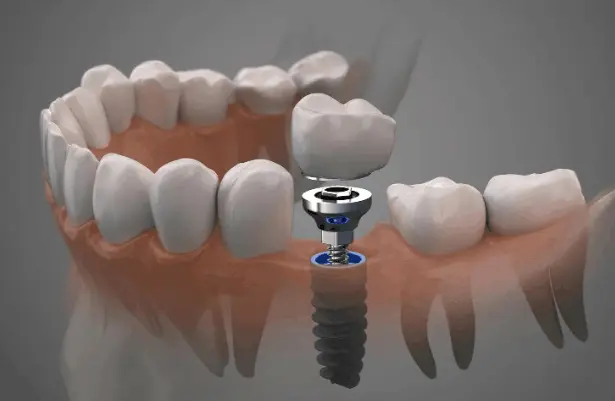
A single-tooth implant can replace one missing tooth without relying on neighboring teeth for support. The implant is placed in the jawbone and later supports a custom dental restoration.
This approach can help restore the appearance of the missing tooth while providing a stable solution for everyday activities such as eating and speaking.
Your dentist will evaluate the condition of the missing-tooth area and surrounding structures to determine whether a single implant is appropriate.
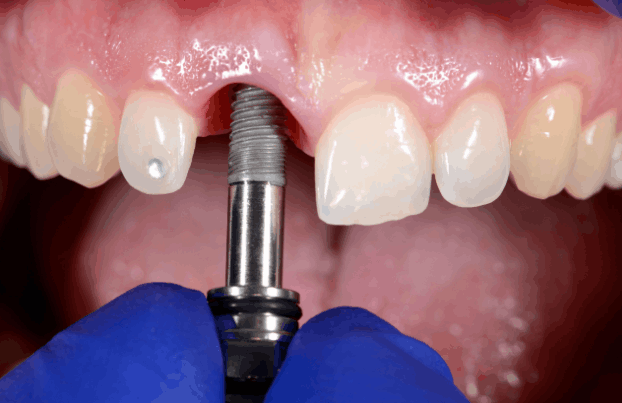
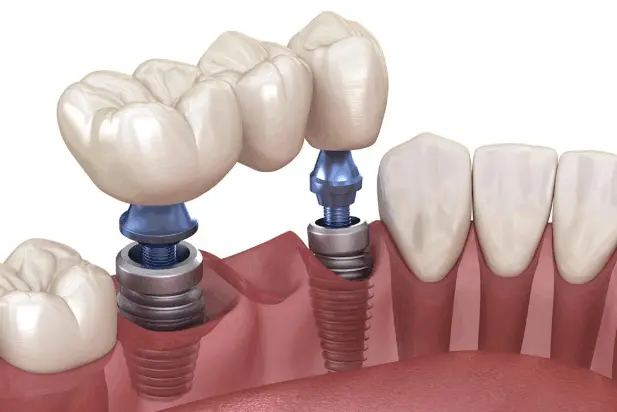
When several teeth are missing, multiple implant-supported solutions may be considered. The exact approach depends on the number and location of missing teeth, available bone support, existing teeth, and your overall oral health.
Replacing multiple teeth can help restore chewing function and create a more complete-looking smile. Your dentist will discuss the available options and explain which approach may best suit your individual situation.
An implant itself is only one part of the complete restoration. The visible replacement tooth or other prosthetic component may eventually require maintenance, adjustment, repair, or replacement.
If an implant restoration becomes damaged, loose, uncomfortable, or otherwise changes in function, it is important to have it evaluated rather than ignoring the problem.
Your dentist can assess the implant, surrounding tissues, and restoration to determine what may be causing the issue and recommend the appropriate next step.
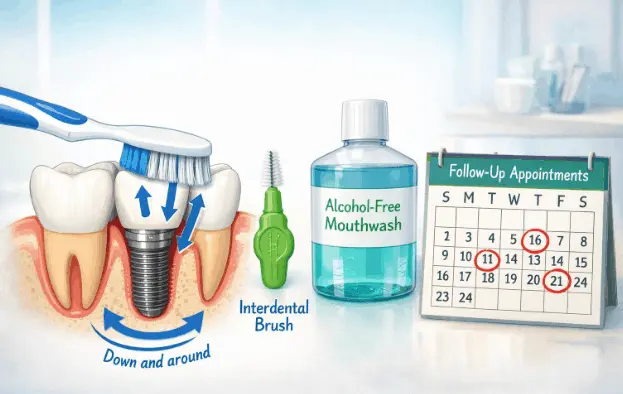
Proper care after implant treatment plays an important role in maintaining your oral health. Good brushing and flossing habits, regular dental visits, and professional cleanings can help keep the tissues around your implant healthy.
Your dentist may also provide specific instructions depending on the type of implant restoration you have received. Following those recommendations can help protect your investment and support long-term function.
Unexpected problems can occur with an implant restoration or surrounding tooth. Pain, swelling, damage to a restoration, or a sudden change in how your implant feels should be evaluated promptly.
If you experience an urgent dental concern involving an implant, contact the dental office so your situation can be assessed and appropriate care can be recommended.
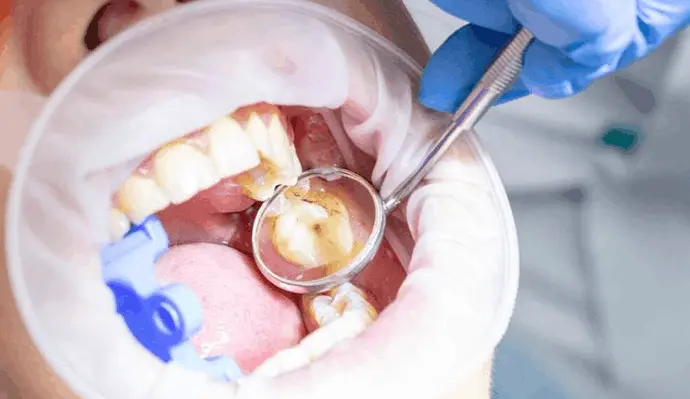
Dental implants may be considered for adults who have one or more missing teeth and want a stable tooth replacement option.
However, suitability depends on several factors, including gum health, jawbone condition, overall oral health, and individual treatment needs. Certain dental concerns may need to be addressed before implant treatment can begin.
A consultation is the best way to determine whether implants are appropriate for your situation.
6003 Tacoma Mall Blvd, Tacoma, WA 98409

A missing tooth can affect more than the appearance of your smile. Depending on its location, it may make chewing more difficult and allow nearby teeth to shift over time.
Replacing missing teeth can help restore function and provide support for a more complete smile. The best replacement option depends on your oral health, the number of missing teeth, and your individual circumstances.
Dental implants are one option your dentist may discuss when evaluating tooth replacement.
Dental implant treatment usually involves several stages rather than a single appointment. The process begins with an evaluation and treatment planning.
If you are considered a suitable candidate, the implant treatment and restoration stages can then be planned according to your individual needs. Healing time can vary from patient to patient, so your dentist will provide guidance about what to expect during each stage.
Following your care instructions and attending recommended appointments are important parts of the process.
Contact your dental office for an evaluation. A loose or damaged restoration should not be ignored, as the underlying cause needs to be identified before the appropriate repair can be determined.
If you are living with one or more missing teeth, dental implants may provide an option for restoring function and creating a more complete-looking smile. Tacoma Dental Hub can evaluate your oral health, discuss your tooth replacement goals, and explain which implant options may be appropriate for you.