
Losing a tooth can affect more than the appearance of your smile. A missing tooth may make chewing more difficult and can create changes in the way your remaining teeth come together. Replacing the missing tooth can help restore everyday dental function and make your smile feel more complete.
A dental bridge is designed to fill the space left by one or more missing teeth. The replacement tooth, known as a pontic, is connected to supporting structures on either side of the space in traditional bridge designs.
The best restorative option depends on factors such as the location of the missing tooth, the condition of the neighboring teeth, your overall oral health, and your individual needs. Your dentist can evaluate these factors before recommending a bridge or another replacement option.
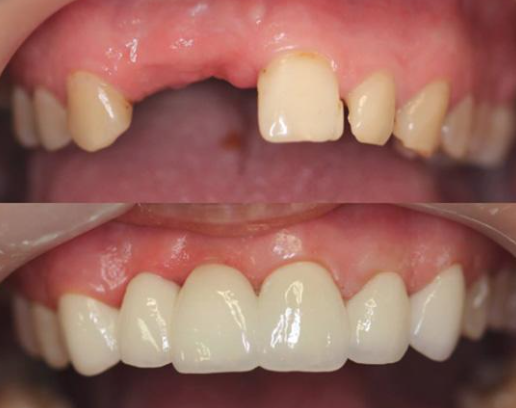
Treatment begins with a detailed examination of the missing tooth area and the surrounding teeth and gums. Your dentist will evaluate whether the neighboring teeth are suitable to support the restoration and discuss the available treatment options with you.
For a traditional bridge, the supporting teeth are carefully prepared so they can accommodate the restoration. Impressions or digital measurements may then be used to help create a bridge that fits the area accurately.
Once the bridge is ready, it is placed and checked for fit, comfort, appearance, and bite. Your dentist will make any necessary adjustments before completing the restoration.
You will also receive instructions on how to clean around and underneath the bridge. Good home care is especially important because the supporting teeth and surrounding gums still need regular attention.
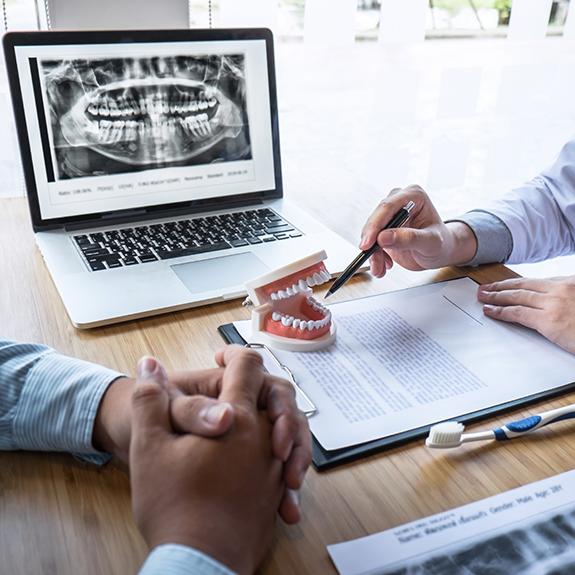
Tacoma Dental Hub provides comfortable and reliable dental care for patients and families in Tacoma, WA. Our clinic is dedicated to making every visit simple, convenient, and stress-free.
6003 Tacoma Mall Blvd, Tacoma, WA 98409

A dental bridge requires regular care just like your natural teeth. Although the replacement tooth itself cannot develop a cavity, the supporting teeth and surrounding gum tissue can still be affected by plaque and bacteria.
Brush your teeth twice a day and clean carefully around the bridge. Special flossing techniques or interdental cleaning tools may be recommended to help clean underneath the replacement tooth and around the supporting teeth.
Regular dental examinations are also important. Your dentist can monitor the bridge, supporting teeth, gums, and overall oral health over time.
Avoid chewing extremely hard objects or using your teeth for purposes they were not designed for. These habits can place unnecessary stress on both natural teeth and dental restorations.
If your bridge feels loose, uncomfortable, or different when you bite, contact your dental office for an evaluation.
A missing tooth does not have to leave a permanent gap in your smile. A dental bridge may help restore chewing function and create a more complete appearance.