
tacoma_dental_hub_logo

Endodontic Services in Tacoma

When the inside of a tooth becomes inflamed or infected, the problem can cause persistent pain, sensitivity, or discomfort when chewing. Endodontic treatment is focused on treating problems affecting the inner part of the tooth and helping preserve the natural tooth whenever possible.

Treating the Source of Tooth Pain

Tooth pain does not always come from the same problem. Deep decay, cracks, trauma, or bacterial infection can affect the pulp inside a tooth and lead to inflammation.

Symptoms can vary from occasional sensitivity to significant pain. An examination allows your dentist to determine what is happening rather than treating the symptom alone.

When the inner tissue of a tooth cannot recover on its own, root canal treatment may provide a way to remove the infection while keeping the natural tooth in place.
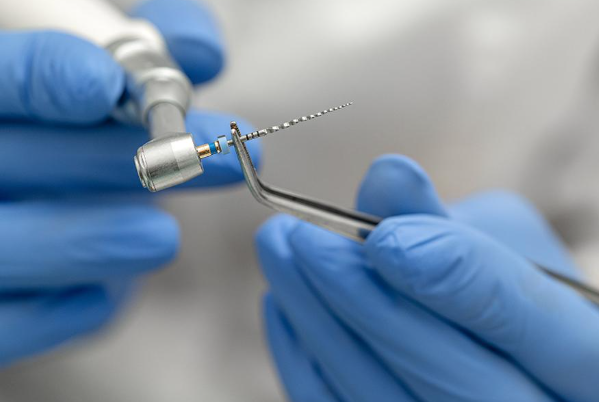
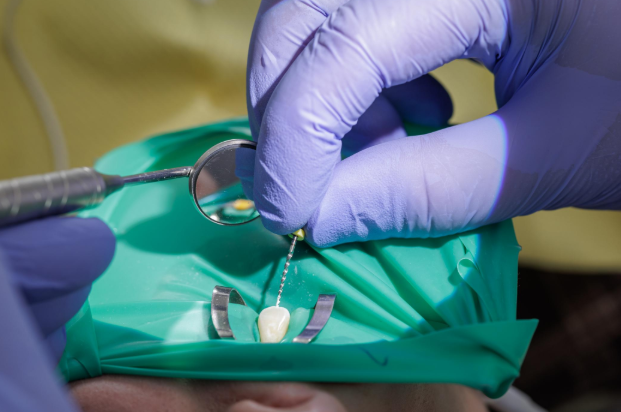
Root canal cleaning and treatment procedure

Root Canal Treatment to Preserve Your Natural Tooth

Root canal therapy is designed to treat infection or inflammation within the tooth while preserving the remaining healthy structure. During the procedure, the affected tissue is carefully removed from inside the tooth. The root canals are then cleaned, shaped, and disinfected before being sealed. Once the internal treatment is complete, the tooth may require a permanent restoration such as a crown or filling depending on its condition. Your dentist will explain what type of restoration is appropriate for the treated tooth.
Root canal procedure to treat infected tooth

Conveniently Located Dental Care in Tacoma, WA

Tacoma Dental Hub provides comfortable and reliable dental care for patients and families in Tacoma, WA. Our clinic is dedicated to making every visit simple, convenient, and stress-free.

Our Location

6003 Tacoma Mall Blvd, Tacoma, WA 98409

tacoma-dental-hub-treatment

When Might a Root Canal Be Recommended?

Root canal treatment may be considered when the pulp inside a tooth has become inflamed or infected. This can happen for several reasons, including:

  • Deep tooth decay
  • A crack or fracture
  • Significant dental trauma
  • Repeated dental procedures on the same tooth
  • Bacterial infection inside the tooth
  • Damage to the tooth’s internal pulp


Not every toothache requires a root canal. A proper examination is necessary to identify the cause of the discomfort and determine the appropriate treatment.

What Happens During Root Canal Treatment?

Your appointment begins with an examination of the affected tooth. Your dentist may use dental X-rays or other diagnostic information to determine the condition of the tooth and surrounding structures.

If root canal treatment is recommended, the area is numbed before treatment begins. An opening is made in the tooth to access the infected or inflamed pulp.

The affected tissue is removed, and the internal canals are cleaned and shaped. After the canals have been disinfected, they are filled and sealed to help prevent bacteria from entering again.

The final restoration is then planned according to the strength and condition of the tooth.
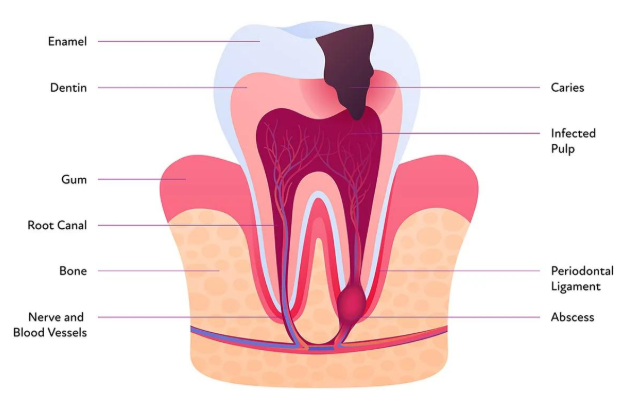
Tooth infection and root canal anatomy

Frequently Asked Questions

What is a root canal?
A root canal is a dental procedure used to treat inflammation or infection affecting the pulp inside a tooth. The damaged tissue is removed, the canals are cleaned and disinfected, and the space is sealed.
Persistent pain, prolonged sensitivity, pain when chewing, swelling, or other changes around a tooth can indicate a problem, but symptoms alone cannot confirm that root canal treatment is necessary. An examination is needed.
In many appropriate cases, root canal treatment can allow a damaged or infected tooth to remain in place rather than being extracted. The condition of the tooth determines whether it can be successfully restored.
Treatment time varies depending on the tooth, the complexity of the canals, the extent of infection, and the restoration required afterward. Your dentist can give you a more specific estimate after evaluating the tooth.
Some treated teeth benefit from a crown or another protective restoration, particularly when substantial tooth structure has been lost. The recommended restoration depends on the location and condition of the tooth.

Get Persistent Tooth Pain Evaluated

If you are experiencing ongoing tooth pain, sensitivity, swelling, or discomfort when chewing, don’t rely on the symptoms disappearing on their own. An examination can identify the underlying problem and determine whether root canal treatment or another approach is appropriate. Tacoma Dental Hub can evaluate the affected tooth and discuss treatment options focused on preserving your oral health and, when possible, your natural tooth.

Request an Appointment