
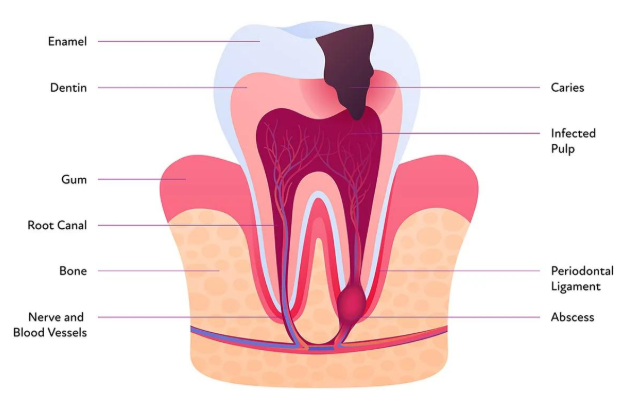
When decay or damage reaches the soft tissue inside a tooth, it can cause inflammation or infection. This may lead to tooth pain, sensitivity, swelling, or discomfort when biting. If the problem is left untreated, the infection can continue to affect the surrounding tissues.
Root canal treatment is designed to remove the infected or inflamed pulp while keeping the natural tooth in place. After the inside of the tooth has been cleaned and sealed, the tooth can be restored so it can continue to support normal chewing and function.
Saving a natural tooth can also help avoid the additional treatment that may be required after an extraction, such as replacing the missing tooth with a bridge, denture, or implant.
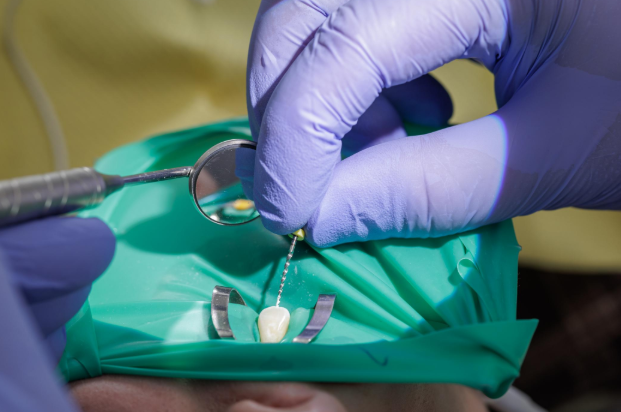
Not every toothache requires a root canal, but certain symptoms can indicate that the inside of a tooth needs professional evaluation.
Root canal treatment begins with an examination of the affected tooth. Your dentist may use dental X-rays or other diagnostic information to understand the condition of the tooth and determine the appropriate treatment.
During the procedure, the tooth is numbed to help keep you comfortable. An opening is made in the tooth so the affected pulp can be accessed and removed.
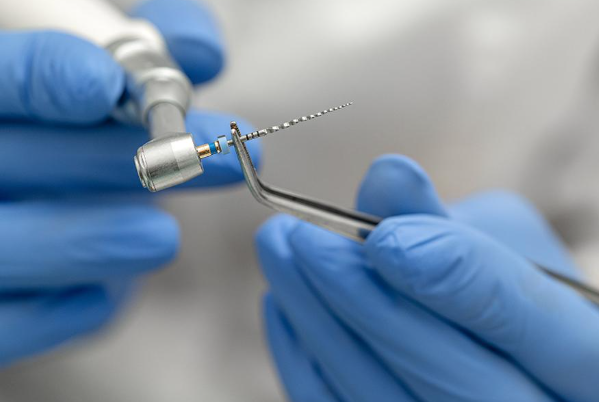
The inside of the tooth is then carefully cleaned and disinfected. The root canals are shaped and filled with a material designed to seal the space and help prevent reinfection.
After the root canal, the tooth may require a filling or dental crown depending on how much tooth structure remains and the location of the tooth. A crown may provide additional protection for a significantly weakened tooth.
Tacoma Dental Hub provides comfortable and reliable dental care for patients and families in Tacoma, WA. Our clinic is dedicated to making every visit simple, convenient, and stress-free.
6003 Tacoma Mall Blvd, Tacoma, WA 98409
Some tenderness or sensitivity can occur after root canal treatment, particularly around the treated tooth. Follow the instructions provided by your dental professional and avoid putting unnecessary pressure on the tooth until the recommended restoration has been completed.
Continue brushing and cleaning between your teeth as directed. Regular dental examinations are also important because the treated tooth and surrounding teeth still require ongoing care.
If your tooth requires a crown or another final restoration, completing that step is important for protecting the remaining tooth structure. The appropriate restoration depends on the tooth’s condition and your dentist’s recommendation. At Tacoma Dental Hub, restorative and preventive care can work together to help maintain your natural teeth and overall oral health.