
A cavity can gradually weaken a tooth if it is left untreated. Removing the damaged portion and restoring the area with a filling can help protect the remaining tooth structure and prevent the problem from becoming more extensive.
Composite fillings are made from a tooth-colored resin that can be shaped and polished to blend with your surrounding teeth. Because the material is designed to closely match your natural tooth color, it can be a good option when appearance is an important consideration.
Treatment is generally focused on preserving as much healthy tooth structure as possible while restoring the affected area. Your dentist will evaluate the tooth and determine whether a composite filling is appropriate based on the size and location of the damage.
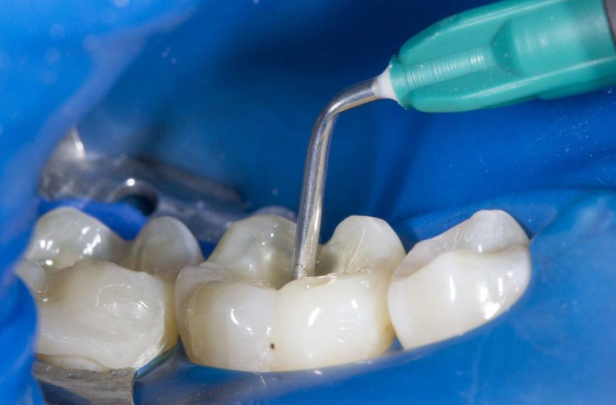
Composite fillings can be useful for several types of minor to moderate tooth damage. During your examination, your dentist can determine whether a filling is suitable or whether another restorative treatment would provide better protection.
A filling repairs a damaged area, but it does not make a tooth immune to future cavities. Good daily oral hygiene and regular dental care remain important after treatment.
Brushing twice a day, cleaning between your teeth, limiting frequent sugary snacks and drinks, and attending regular dental examinations can help reduce the risk of additional decay.
If you notice sensitivity, discomfort, a rough edge, or a change in the way your teeth come together after a filling, let your dentist know. An evaluation can help determine whether the restoration needs an adjustment or further attention.
At Tacoma Dental Hub, restorative treatment is combined with preventive care to help patients maintain healthy teeth over time.
Tacoma Dental Hub provides comfortable and reliable dental care for patients and families in Tacoma, WA. Our clinic is dedicated to making every visit simple, convenient, and stress-free.
6003 Tacoma Mall Blvd, Tacoma, WA 98409

The process starts with an examination of the affected tooth. Your dentist will check the extent of decay or damage and determine whether a composite filling is the appropriate treatment.
If a filling is recommended, the damaged portion of the tooth is carefully removed. The tooth is then prepared so the composite material can bond properly to the surface.
The tooth-colored resin is applied and shaped to restore the missing portion of the tooth. The material is hardened during the treatment and then carefully adjusted so your bite feels comfortable.
Finally, the filling is polished to create a smooth surface. Your dentist may also provide guidance on brushing, flossing, and other preventive habits that can help protect the restored tooth.
The exact treatment time depends on the number of teeth being treated and the extent of the damage.
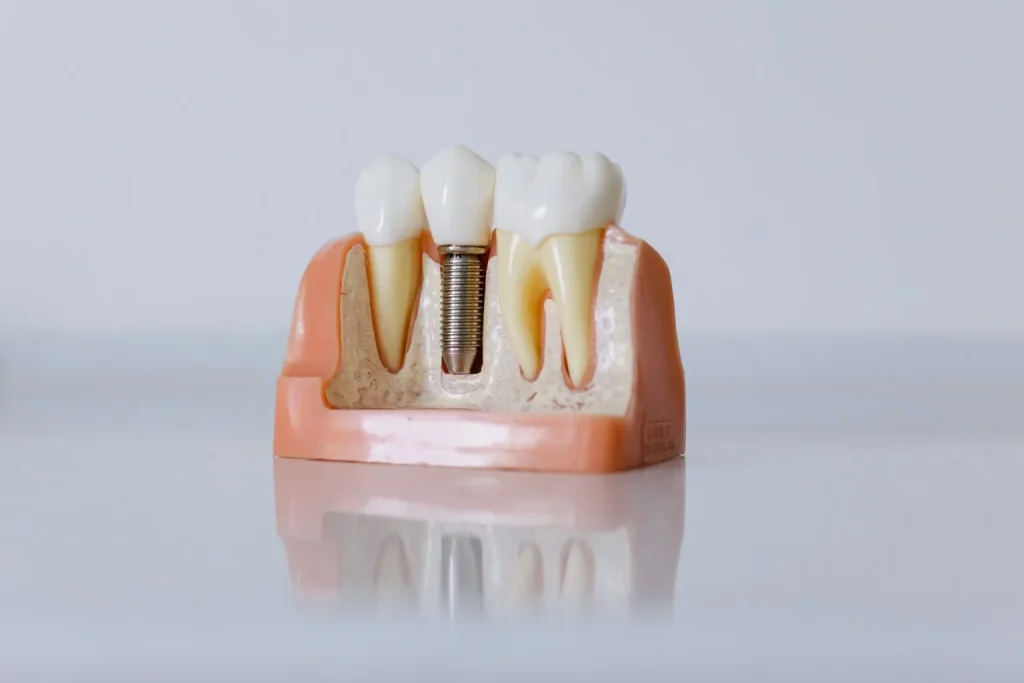
Bridges can replace one or more missing teeth and help restore chewing function and the appearance of your smile.